Michigan State student's NASA drone projects lead to his own company, AG3 Labs
Gavin Gardner learned engineering and business skills on two NASA student research projects, then co-founded a drone firm that can now build thousands of aircraft a month.
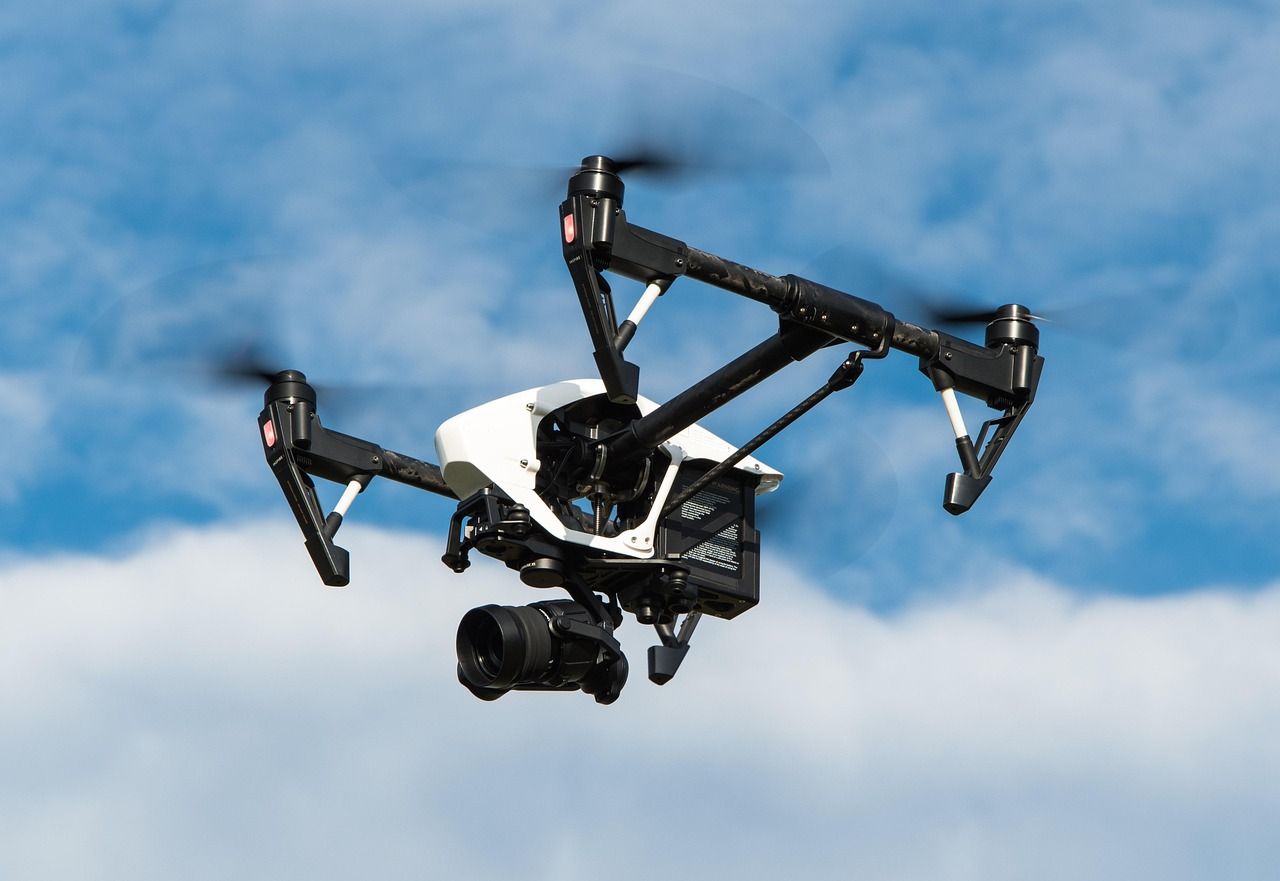
A Michigan State University engineering student who worked on two NASA-funded drone projects has co-founded a company that can now produce thousands of drones every month. Gavin Gardner and fellow alumni of NASA’s University Student Research Challenge (USRC) launched AG3 Labs in 2024.
The challenge gives grants to teams of college students who want to help the agency meet its aeronautical research goals. Teams must show business know-how as well as technical skill, and Gardner soon saw why. He was comfortable leading classmates in a lab, but budgets, large sums of money and crowdfunding were new territory for him and his teammates.
“Half the battle is building your product,” Gardner said.
In 2021, a friend emailed to say their team had won a USRC grant for a delivery-drone idea and needed help building an aircraft. The plan was for a cargo drone to land on top of a city bus, recharge as it rode along, then fly off to finish the delivery. The team constructed a full-size drone, flew it and showed that the concept worked. They chose not to turn it into a business, though, because the rules around flying over crowds in a dense city worried them.
Their performance still paid off. The team won a second NASA award in 2023, this time for a system that used a laser to send power to a drone while it was in flight. A prototype flew, and the project introduced Gardner to staff at NASA’s Glenn Research Center in Cleveland. They told him about internships, and he applied and was accepted while studying for his master’s degree.
In late 2024, with graduation due in spring 2025, Gardner and his brother Gryson co-founded AG3 Labs with other USRC alumni. A friend had pointed out that the military might want low-cost drones for testing counter-drone systems. An initial U.S. Army award brought further contracts, and the company’s output of thousands of drones a month is no mean feat for such a young firm.
The brothers’ interest in engineering goes back a long way. Gardner’s began with a Space Camp trip at middle school age, and the pair spent many hours in their Michigan garage tinkering with drones and electronic kits.
Steven Holz, who manages the USRC, said Gardner’s experience shows what students can do when they get both funding and guidance.
Why it matters
Building a good product is only part of turning an idea into a livelihood, and many talented engineers find that out the hard way. Programmes that teach budgeting, communication and fundraising alongside technical work can help students make that leap. They also send skilled people into the aviation and aerospace industries, and Gardner’s story is a cracking example of a student project becoming a lasting career.