Supporters in 50 countries help buy Northumberland estate for nature
More than 25,000 people have helped the Wildlife Trusts raise £30 million to buy the 9,400-acre Rothbury Estate, which the Dukes of Northumberland owned since the 13th century.
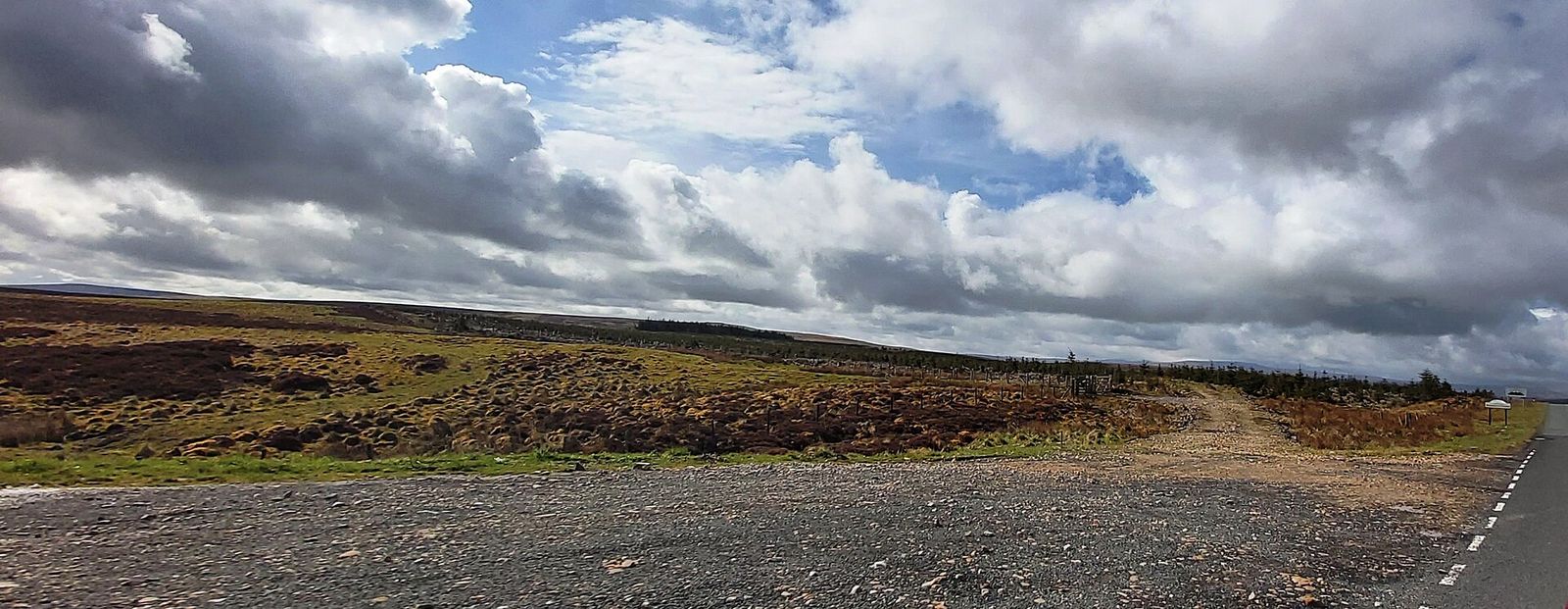
The Rothbury Estate in Northumberland, some 9,400 acres of moor, wood and river, now belongs to the Wildlife Trusts. The Dukes of Northumberland had owned it since the 13th century, and the charity bought it with £30 million donated by more than 25,000 supporters in 50 countries.
The appeal began two years ago. Several larger partners chipped in as well, among them the National Lottery Heritage Fund and Defra, the UK government’s environment department.
The estate will become part of a planned 40-mile nature corridor across the north of England. That corridor will run from Druridge Bay on the coast to an existing nature reserve further west. Rothbury lies right in the middle, and while it was in private hands it had cut this important stretch of countryside in two.
There is plenty of wildlife to look after. Curlews, lapwings and other wading birds nest on the moors, alongside the mountain bumblebee. The woods shelter endangered red squirrels, cuckoos and the merlin, which is the smallest falcon in the UK. Salmon swim in the rivers, together with a Critically Endangered species of eel, and skylarks fill the skies above.
The Wildlife Trusts say they are drawing up plans for the land’s future with local people who live and work in the area. Nature’s recovery is to sit at the centre of the estate, with nature-friendly, regenerative farming alongside it. The charity also promises to respect the rural traditions of the region.
Sir David Attenborough, President Emeritus of the Wildlife Trusts, thanked those who gave. “Together, we’ve achieved something amazing,” he said. He described a place where nature, community, farming and heritage can come together for generations to come.
Why it matters
Wildlife generally fares better when habitats are linked up rather than left as isolated patches, because animals and plants need room to move, feed and breed. Bringing a large estate into a continuous corridor between coast and countryside is a cracking result for that sort of recovery. It also shows how ordinary people, in the UK and far beyond, can help to protect a landscape they may never have visited.