280 Ice Age engravings found in Catalan cave visited for centuries
Archaeologists have identified 280 Palaeolithic motifs in Catalonia's Cova de la Font Major, a find that points to a distinct artistic tradition in north-east Iberia.
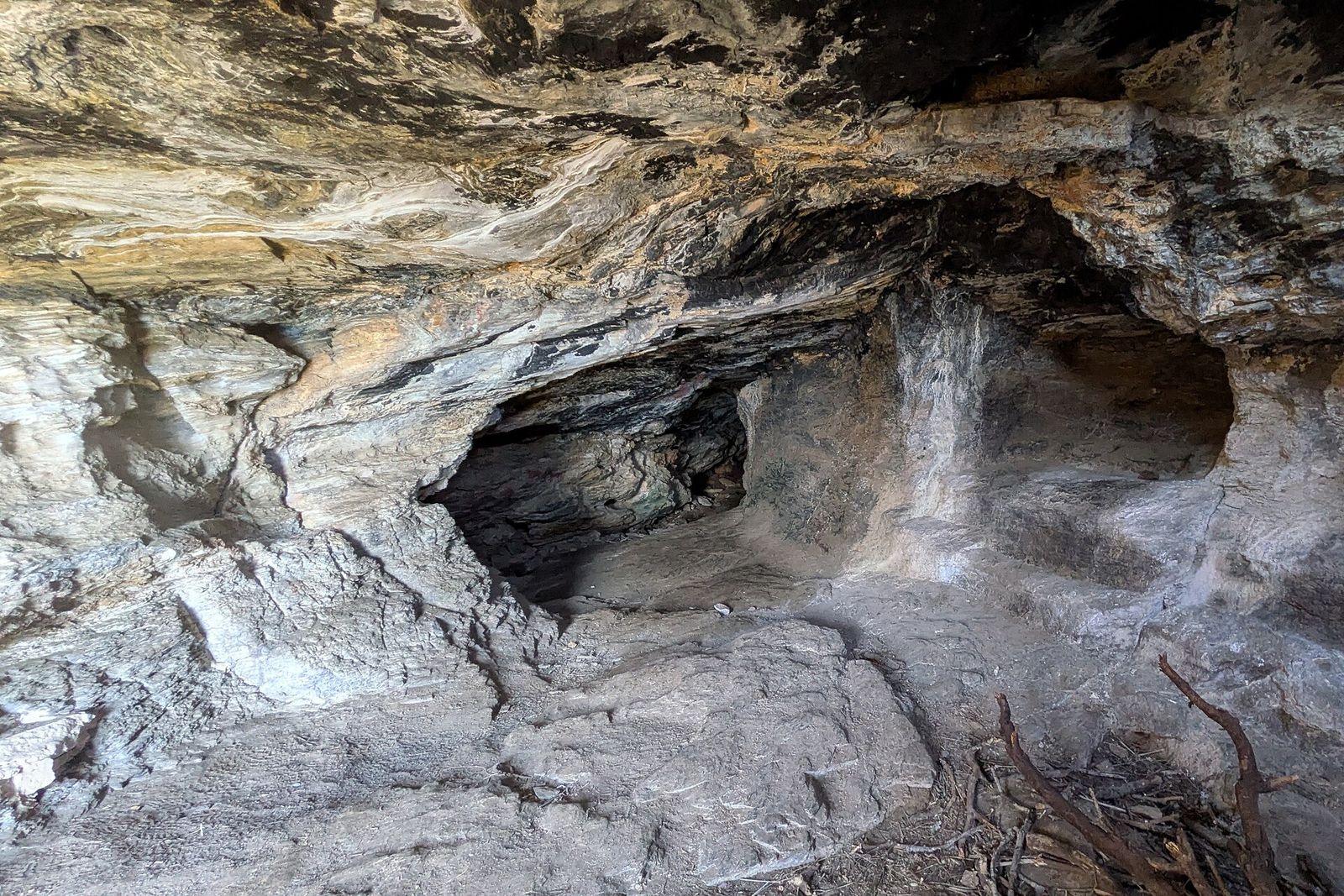
Archaeologists have identified 280 Palaeolithic motifs in the Cova de la Font Major, a cave in Catalonia that people have been visiting since the 12th century. It is the third-largest collection of Ice Age cave art on the Mediterranean side of the Iberian Peninsula, and it came to light in a region long assumed to have very little.
The cave is hardly an undiscovered secret. From 1957 it drew a steady stream of visitors, speleologists and treasure hunters, and in 1993 it was opened up as a tourist attraction. Even so, no Ice Age art had ever been recorded there, and the walls were considered unsuitable for engraving.
According to co-author Josep Maria Vergès, thousands of people walked directly past the engraved surfaces over more than six decades. Some even scratched their own names and dates over the top, with nobody recognising how ancient the figures beneath them were.
The discovery fills a conspicuous gap. The Iberian Peninsula holds more than half of all the cave art documented from Upper Palaeolithic Europe, but it is unevenly spread. There is a high concentration in the Franco-Cantabrian region, between modern France and Spain, yet only two representations had been found in the whole of Catalonia. The Cova de la Font Major now has the highest concentration known there.
The numbers are striking in their own right. Across the Mediterranean side of Iberia, roughly three in four known sites contain five or fewer animal figures, and more than nine in ten contain 20 or fewer. Against that backdrop, 280 motifs is a cracking result, and co-author Míriam Salas-Altès describes the quantity as particularly exceptional.
The research team studied the engravings and found that their style differs from the art of the Franco-Cantabrian region. They concluded that the cave represents a separate Palaeolithic artistic tradition. Their findings are published in the journal Antiquity.
Why it matters
North-eastern Iberia had been regarded as something of a marginal area for Ice Age art, and this find challenges that view. The sheer volume of engravings could suggest the region was densely occupied, and it shows that its people had artistic customs of their own. It is also a reminder that a much-visited place can still hold a major discovery, provided someone looks closely enough.