Beavers to return to Loch Ness area after five centuries
Scotland's nature agency has licensed a three-year plan to bring beavers back to the River Ness catchment, where the animals were last recorded around 500 years ago.
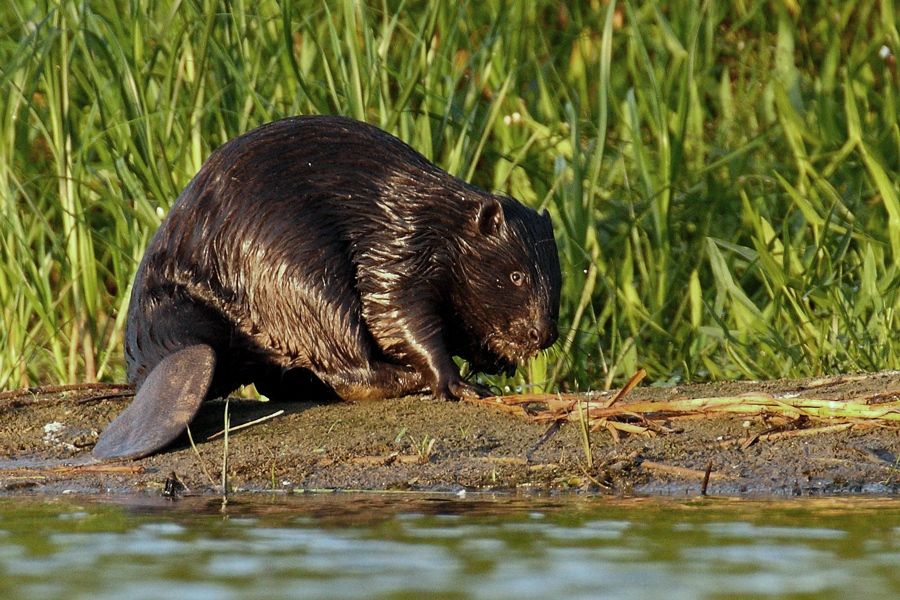
Beavers are heading back to the Loch Ness area, five centuries after they were last recorded there. NatureScot has licensed a three-year programme that will see as many as 15 of the animals freed in the catchment of the River Ness, at locations chosen in advance.
The licence belongs to two conservation groups, Trees for Life and the Beaver Trust. They note that the last widely cited historical record of Scottish beavers, from 1526 to 1527, put them around Loch Ness.
Beavers were hunted to extinction in Scotland roughly 400 years ago, and the first modern reintroduction took place in 2009. In 2022, NatureScot singled out the Ness catchment as one of the best spots in the country for them. Its latest assessment found a low risk of harm from beaver activity, and concluded that the animals could substantially lift local biodiversity.
Local feeling appears to be broadly on side. More than 73% of those who answered the applicants’ consultation backed the idea. NatureScot’s Robbie Kernahan said beavers make ponds and wetlands that other species thrive in, and can ease the flow of water during floods and dry spells.
Land managers and residents did raise concerns, and Mr Kernahan said these would be taken seriously. He said the applicants’ monitoring and mitigation plans, together with an existing national mitigation scheme, should allow any conflicts to be resolved.
The beavers to be released will be animals trapped in places where they are damaging prime farmland and where other measures have failed or were not an option. All will have health checks beforehand.
Alan McDonnell of Trees for Life said the outcome “brings real hope for the future”. He said communities and local businesses had shown huge interest, and that his team had gone out and met people face to face to hear their views.
Why it matters
Beavers are often described as ecosystem engineers, because their dams and ponds create wetlands that a great many other species rely on and can help to hold water in the landscape. Returning them to a place they once lived, with local opinion heard and a plan for handling disputes, is a sensible template for sharing space with wildlife.