Blocking one enzyme extended the lives of ageing mice by 17 per cent
Chinese researchers found that a compound inhibiting the enzyme AEP lengthened average mouse lifespan by four months and improved memory, strength and metabolic health in old age.

Researchers in China have found that blocking a single enzyme lengthened the lives of ageing mice by 17 per cent, and left the animals in better shape for their later years.
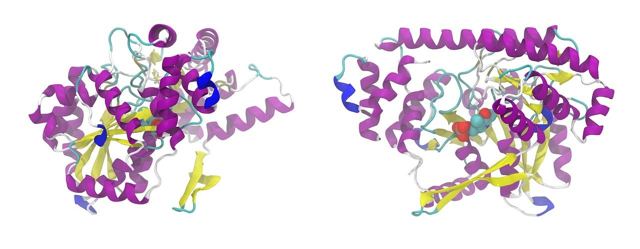
The enzyme is asparagine endopeptidase, or AEP, also known as legumain. Its usual job is to slice up other proteins and keep bodily processes running smoothly, but it grows more active with age. Overactivity has previously been linked to problems including Alzheimer’s disease and DNA damage.
The team wanted to know whether blocking AEP could extend lifespan and improve health later in life. They added an AEP inhibitor, called #11a, to the food of some mice and kept a control group for comparison. All the animals were around 18 months old at the start, which is middle-to-old age for a mouse.
Untreated mice lived for an average of 24 months. Those given #11a averaged 28 months, which is four months longer.
The treated mice fared better in other ways too. They showed fewer signs of frailty and did better in exercise, strength and memory tests. Their metabolic health improved, including their responses to insulin, and there were fewer signs of inflammation and cell ageing. The benefits for frailty appeared in both male and female mice.
The researchers are cautious, as a good scientist should be. They suspect overactive AEP may damage other proteins that help protect cells from wearing out, but they say a closer look is needed to be sure. The mice also varied in how much they ate during the study, so changes in calorie intake may explain some of the results.
The study, published in the journal iScience, involved only a small group of mice, and it remains to be seen whether the same effects appear in people. AEP also has many useful jobs in the body. The mice showed no major adverse effects, but long-term safety would need careful evaluation.
Why it matters
Living longer is only half the aim of ageing research; the greater prize is more years in good health. This early work suggests that dialling down one overactive enzyme could ease several age-related declines at once, which makes AEP a promising target for further study. It is a long road from mouse to medicine, but the findings give scientists a clear lead to follow.