Course of tablets may cure a common hormonal cause of high blood pressure
A small Queen Mary University of London-led study suggests six to twelve months of a new type of drug could bring lasting relief to some people with primary aldosteronism.
A course of tablets taken for between six months and a year may offer a lasting cure for one common hormonal cause of high blood pressure, according to researchers at Queen Mary University of London. The improvements held for up to two years after patients came off the drug, which is rather good news for a condition usually managed for life.
The approach is called extended aldosterone synthase inhibition, or EASI. It uses a new class of medicine to rein in the overproduction of aldosterone, a hormone that pushes blood pressure upwards. Until now, the only route to a cure for people with this condition, known as primary aldosteronism, has been an operation to take out a whole adrenal gland.
The findings appear in the New England Journal of Medicine. The team looked at 14 patients who had been treated at eight centres across the United States, and compared their routine check-up results with readings taken before treatment. The key marker of excess aldosterone production stayed 99% below its earlier level, while blood pressure had dropped by 25 points on average.
Just under a quarter of the group had normal blood pressure without any other medication. In the others, high blood pressure partly or fully resolved. Hormone levels and blood pressure stayed close to, or better than, the figures recorded while people were still taking the drug.
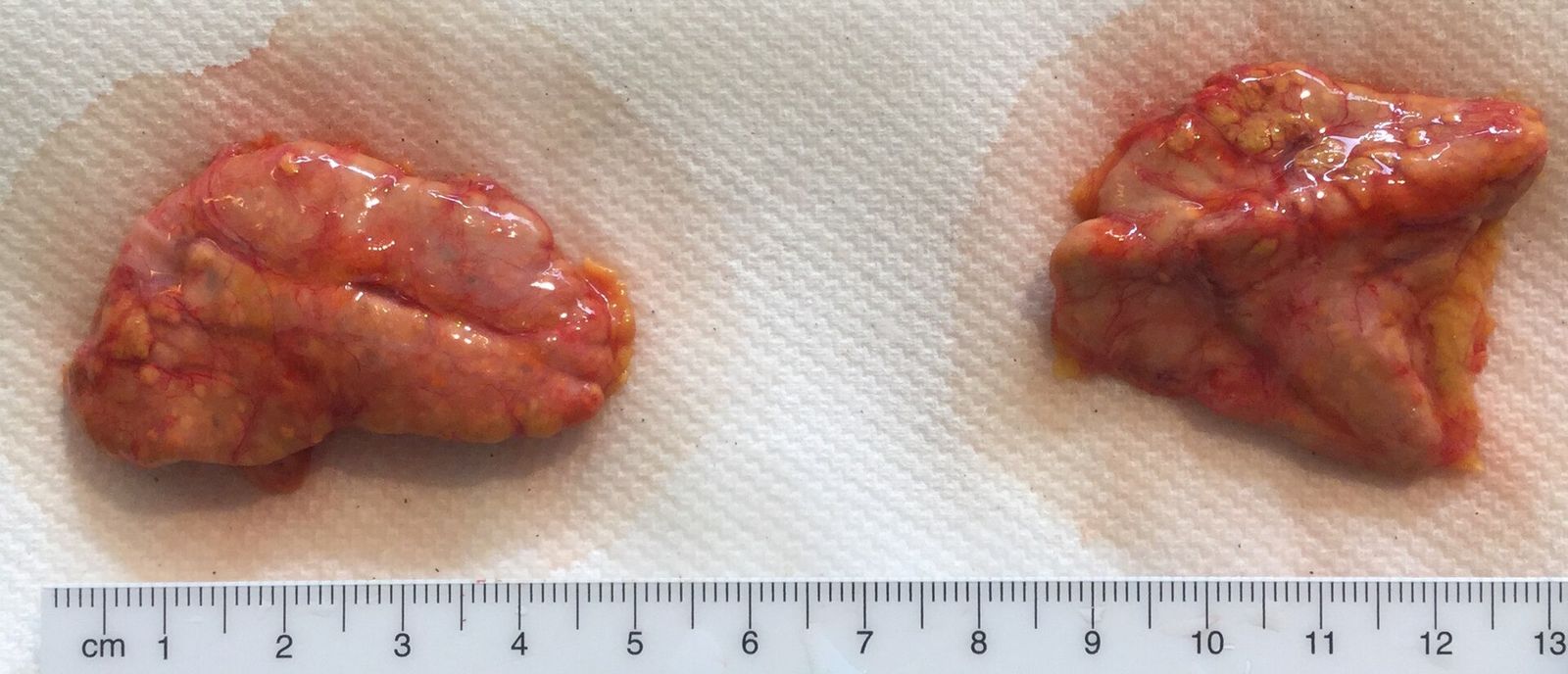
Primary aldosteronism arises when benign nodules in the adrenal glands make too much aldosterone, which leads the kidneys to hold on to salt. It is estimated to lie behind between 5% and 10% of high blood pressure cases. The researchers had reasoned that long-term treatment might make the overactive cells disappear, removing the root of the problem.
Professor Morris Brown, the lead author, urged caution, pointing out that the study was pragmatic in design. He said the approach would probably not suit most people with hypertension, but that a pill able to do the work of surgery had long been hoped for. Professor Mason Freeman of Harvard Medical School described the results as extraordinary and unexpected.
Earlier trials of similar drugs generally ran for six to twelve weeks and measured results only during treatment. The team is now leading a larger trial, called ELIXIR, to test whether the approach really can deliver a lasting cure. It will also use scans of the adrenal glands at molecular level to check whether the aldosterone-producing cells vanish.
Why it matters
High blood pressure affects millions of people worldwide, and most who have it take medication indefinitely. If a limited course of tablets can remove the underlying cause for some patients, it could spare them both lifelong treatment and major surgery. The numbers are small and the results early, so the larger trial will be the real test.