Personalised mRNA vaccine lowers melanoma recurrence risk in phase 3 trial
A vaccine built from each patient's own tumour, given alongside pembrolizumab, cut the risk of melanoma returning or causing death at two years in a large international trial.
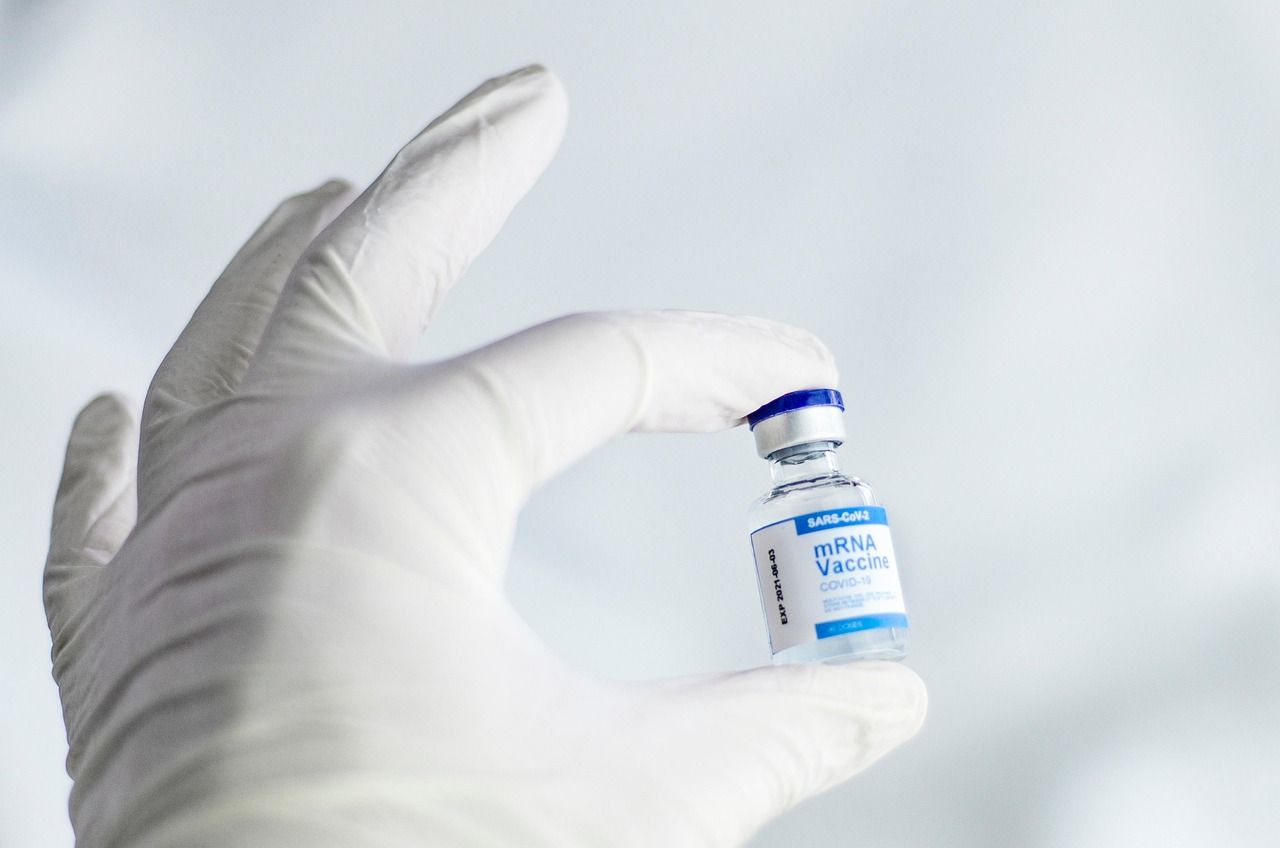
A personalised vaccine may help keep melanoma from coming back after surgery, according to fresh results from a large international trial called INTerpath-001. At the two-year mark, patients who received the mRNA vaccine together with the immunotherapy drug pembrolizumab faced a lower risk of recurrence or death than those given pembrolizumab on its own.
Every dose is made for a single person. The patient’s tumour is examined for its genetic characteristics, which reveal targets found only in that particular cancer. The vaccine then uses mRNA technology to help the immune system spot and destroy cells carrying those markers.
The researchers are realistic about what it can do. Nobody is promising that cancer will be prevented outright. The aim is to reduce the chance of melanoma returning or spreading once it has been removed by surgery.
The new trial follows earlier phase 2 research, known as KEYNOTE-942, which first produced promising evidence for the approach. Sutter Health took part in that study, with its involvement led by Dr Kevin Kim, an oncologist who heads precision medicine at the organisation, and Dr Mohammed Kashani-Sabet, medical director of the cancer centre at Sutter CPMC.
In that phase 2b study, patients were followed for five years. Those who had the vaccine plus pembrolizumab had a 49% lower risk of their cancer returning or of death. Their risk of the disease spreading to distant parts of the body, or of death, was 59% lower. These figures cannot be set directly beside the phase 3 results, because the trials enrolled different patients and tracked them for different lengths of time.
Dr Kim said the appeal lies in using the particular features of each patient’s cancer to help their immune system recognise it. Dr Kashani-Sabet called it encouraging to watch the work grow from an early trial into a much larger study, and said it brings a possible new treatment option a little closer.
The vaccine is still experimental and has not been approved by the US Food and Drug Administration. Should it win approval, some people whose melanoma carries a high risk of returning could gain an extra option after their operation. For now, it is rather good news rather than a finished treatment.
Why it matters
Even after melanoma has been successfully removed, the worry that it could return or spread weighs on many patients. A treatment that trains the immune system to recognise the markers of one person’s own tumour is a more targeted idea than a standard, one-size-fits-all approach. Seeing early promise carried into a far larger trial is a welcome boost, although regulatory approval would still be needed before anyone could receive the vaccine outside a study.