Esbjerg heat pumps draw district heating from the North Sea in winter test
A winter test in the Danish city of Esbjerg showed large heat pumps can pull 90°C district heat from near-freezing North Sea water, though wider testing was unfinished.
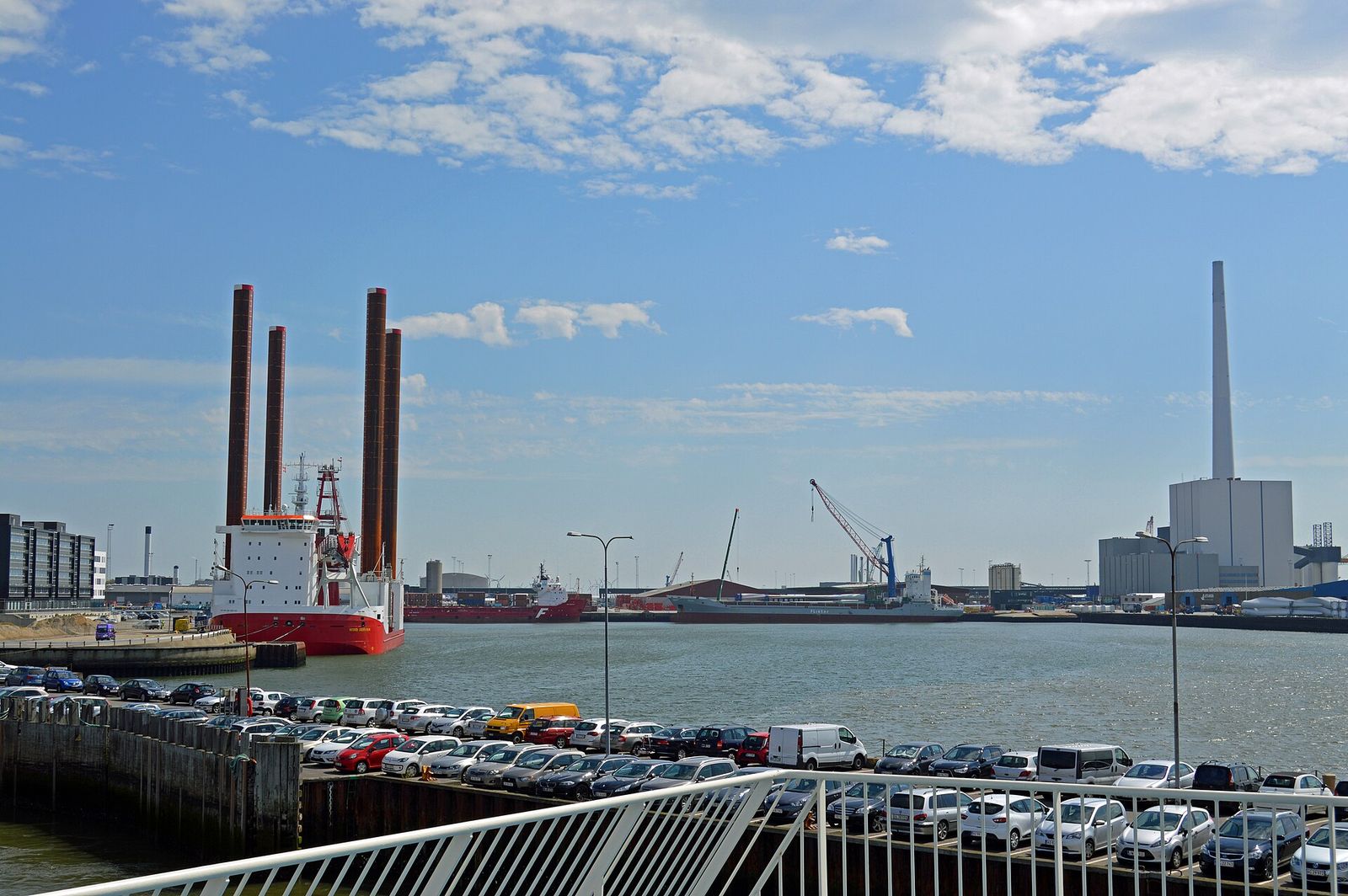
The Danish city of Esbjerg is warming homes with heat taken from the North Sea, and a winter test has shown that large electric heat pumps can do it even when the water is barely above freezing.
During a two-hour trial, the temperature of the water passing through the system fell from 3.3°C to 1.2°C as the heat pumps drew warmth from it. For 19.9 MW of electricity going in, the two machines produced 55.2 MW of heat for the district-heating network, which ran at 90°C. The sea supplied the remaining 35.3 MW.
The project team’s operating report from May 2025 put the coefficient of performance at 2.8. In plain terms, every unit of electricity used by the compressors yielded 2.8 units of heat. Heating the water with simple electrical resistance would have demanded 2.8 times as much power for the same output. The system uses carbon dioxide as its refrigerant, and reaching 90°C from such cold water is no mean feat.
Rated at 70 MW, the installation began supplying heat in late 2024. It forms part of Esbjerg’s replacement of a coal-fired combined heat and power plant that has since been retired. The city’s heat also comes from a wood-chip boiler and from waste incineration, so the emissions cuts reported for the wider programme cannot be put down to the heat pumps alone.
There are caveats. The 2.8 figure was lower than the more favourable performance assumed when the project was planned, and the full guarantee tests had not been completed by the time the results came out. The numbers also describe a single short test, not a typical year.
On cost, an illustrative electricity price of €100/MWh would put compressor power at about €36 per MWh of useful heat. That leaves out seawater pumping, maintenance, financing and the cost of distributing the heat.
Esbjerg is not a pioneer. Monaco began using seawater heat pumps in 1963, Stockholm has run large seawater-sourced equipment since the 1980s, and Aalborg, also in Denmark, is developing 177 MW of such capacity.
Why it matters
Many district-heating networks still depend on burning fuel, so a way of tapping the sea with electricity is worth watching. Esbjerg’s test offers direct evidence that this can work on a hot, 90°C network, which is a tougher job than supplying newer, cooler ones. It is only one test, though. Corrosion, marine life, freezing protection and the cost of laying pipes all vary from place to place, and other heat sources may suit some sites better. Coastal utilities now have a real-world data point to weigh alongside their other options.