Guarding standing Amazon forest beats restoration for biodiversity, study finds
A study spanning three million hectares of the Brazilian Amazon finds that keeping fire and selective logging out of standing forest does more for wildlife than restoring cleared land.
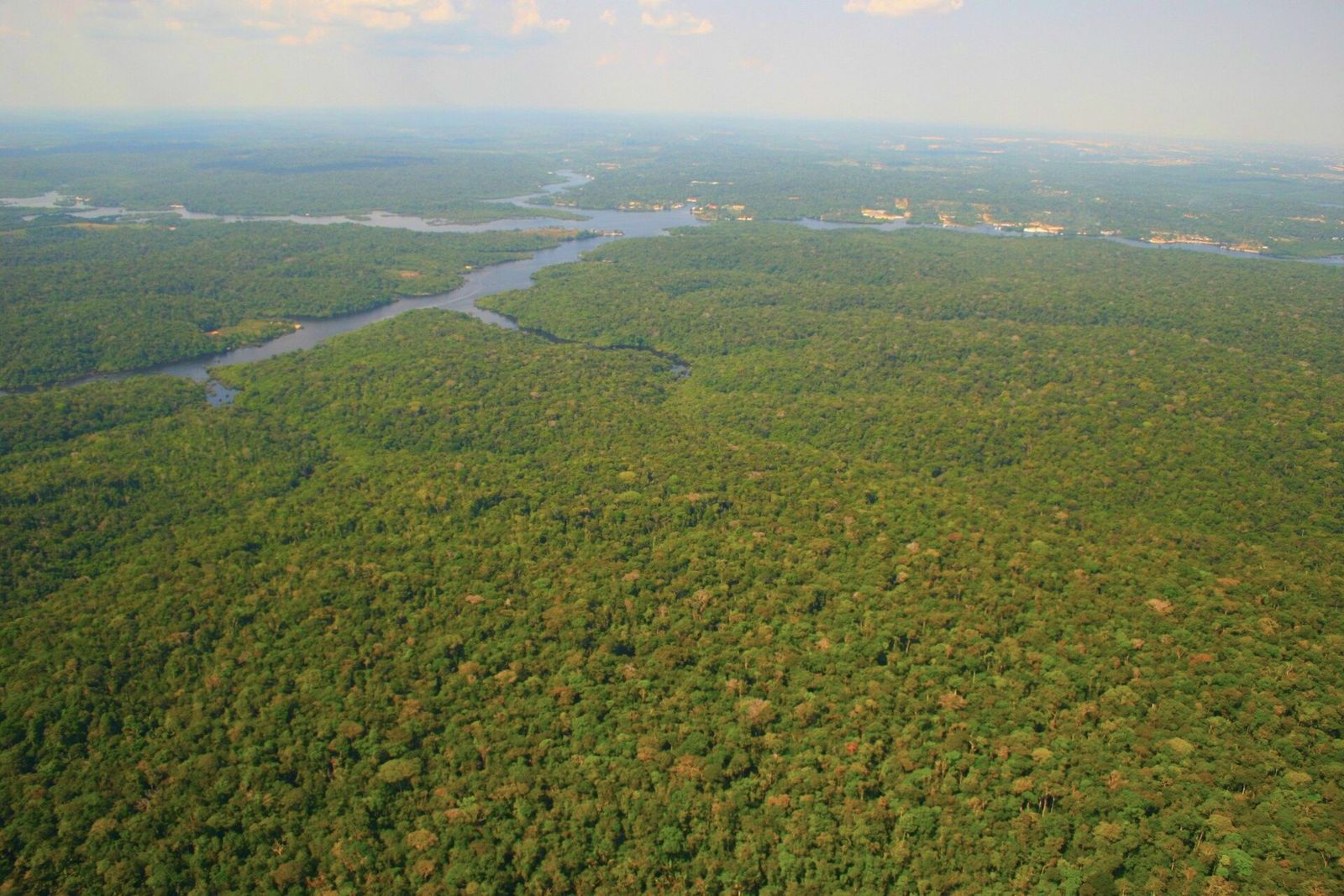
Keeping fire and selective logging out of standing Amazon forest does more for biodiversity than restoring land that has already been cleared, according to a study published in Science. The research covered three million hectares of the Brazilian Amazon’s deforestation frontier.
A team led by Leonardo S. Miranda of Lancaster University, with colleagues including Joice Ferreira of Embrapa, compared three kinds of intervention with what really happened on the ground. Their alternative scenarios were built from land-use changes that had actually been observed.
Against the baseline, protecting forest from disturbance left biodiversity losses 68.5% smaller and carbon losses 46.8% smaller. Stopping deforestation outright offset 60.8% of carbon losses but only 28.0% of biodiversity losses. Restoring cleared land came last on both measures.
No single approach was enough by itself. Only by pairing avoided deforestation with protection from disturbance did the team see net gains, with biodiversity 12% higher and carbon 18% higher than in 2010. Clearing and degradation work through different mechanisms, the researchers explained, so each needs its own remedy.
Restoration is far from sidelined, though. It brought worthwhile benefits on properties where much of the original forest had disappeared, and the team sees it as a partner to protection rather than a replacement. Ferreira stressed that it stays essential where forest has been lost across large areas.
Fire is a particular worry for restoration schemes. Young forests, whether planted or regrowing naturally, lack the resilience of mature canopy, so the work can be undone by the very blazes that protection aims to prevent. The researchers noted that combined approaches matter more as the planet warms.
The method itself may travel well. By measuring what would have happened under different choices, the study gives planners a firmer footing for weighing up the cost-effectiveness of each strategy, which is rather good news for anyone working to a tight conservation budget.
Why it matters
Conservation money is never unlimited, and restoration projects often attract the most attention. This research suggests that guarding the forest still standing, from quiet selective logging and creeping fire as well as outright clearance, is a sound first step. It also shows that the strongest results come from combining protection and restoration in sequence, an approach that could guide other tropical forest frontiers facing similar pressures.