Museum frogs help solve 50-year mystery of Brazil's vanishing amphibians
Preserved specimens point to chytrid fungus as the likely cause of frog declines in Brazil's Atlantic Forest in the early 1980s, and most species there have since recovered.
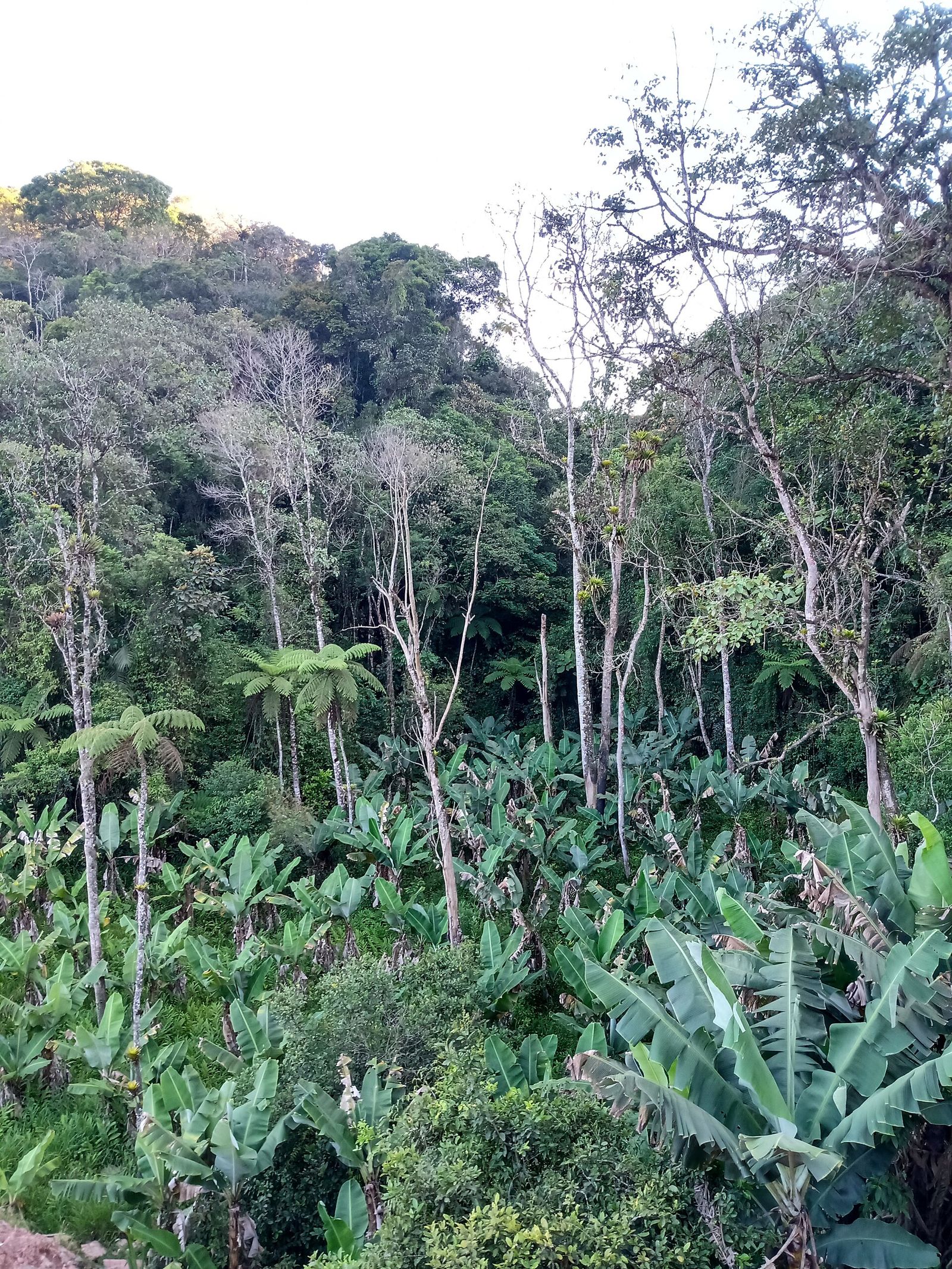
Scientists believe they have solved a puzzle that has nagged at amphibian researchers for almost 50 years: why frogs vanished from part of Brazil’s Atlantic Forest. The likely culprit is chytrid, a fungal disease, and the rather good news is that most species at the site have since bounced back.
The study, published in Molecular Ecology, was led by researchers at the Smithsonian’s National Zoo and Conservation Biology Institute and Pennsylvania State University. It focused on the Boracéia Biological Station, where amphibian numbers dropped sharply between 1979 and 1982. Some experts had put the losses down to climate change or extreme weather.
To test that idea, the team turned to the shelves of a museum. The Smithsonian’s National Museum of Natural History holds frogs gathered by William Ronald Heyer, a former curator, on five trips to Boracéia. Two took place in the 1970s, before the declines, and three in the 1980s, after them. The researchers screened more than 370 preserved amphibians from 17 species for the fungus Batrachochytrium dendrobatidis.
Not one specimen collected before 1979 was infected. Of those gathered in the 1980s, more than half tested positive. That suggests the fungus reached the area just as the frog populations were collapsing.
There was an odd twist. The species that fell furthest showed no trace of infection in the museum samples, while species that held steady often carried the fungus. The team suspects the most vulnerable frogs died so quickly that infected ones were never collected, while hardier species simply coped. As lead researcher Jack Boyette put it, “not all species suffered catastrophic losses at Boracéia”.
Working with the University of São Paulo, the researchers made six visits to the site between 2022 and 2024. They found 12 of the 17 species from Heyer’s collection. The other five were not located, so their fate is unclear and some may have gone from the site altogether.
Chytrid has not left Boracéia. Yet the frogs seem to be coping better, and the researchers think species once badly hit have grown more tolerant across the generations.
The team stresses that its conclusions apply to this one location and cannot automatically explain declines elsewhere in the Atlantic Forest. It is now studying DNA from the museum specimens to find the genetic factors that shaped how amphibians responded to the fungus.
Why it matters
Explaining a decades-old disappearance is no mean feat, and it shows how valuable natural history collections can be: specimens gathered long ago can reveal outbreaks that nobody had the tools to detect at the time. That knowledge may help conservationists react sooner to similar threats, such as the fungus B. salamandrivorans, which is menacing salamanders in Europe and could endanger those in North America. The recovery at Boracéia also offers some hope that amphibians can adapt to a disease that once devastated them.