Scientists map coral colony as long as 100 buses off Cocos (Keeling) Islands
A rose coral formation 1.56 kilometres long has been mapped by researchers in Australia's remote Cocos (Keeling) Islands, and genetic tests are under way to learn what it really is.
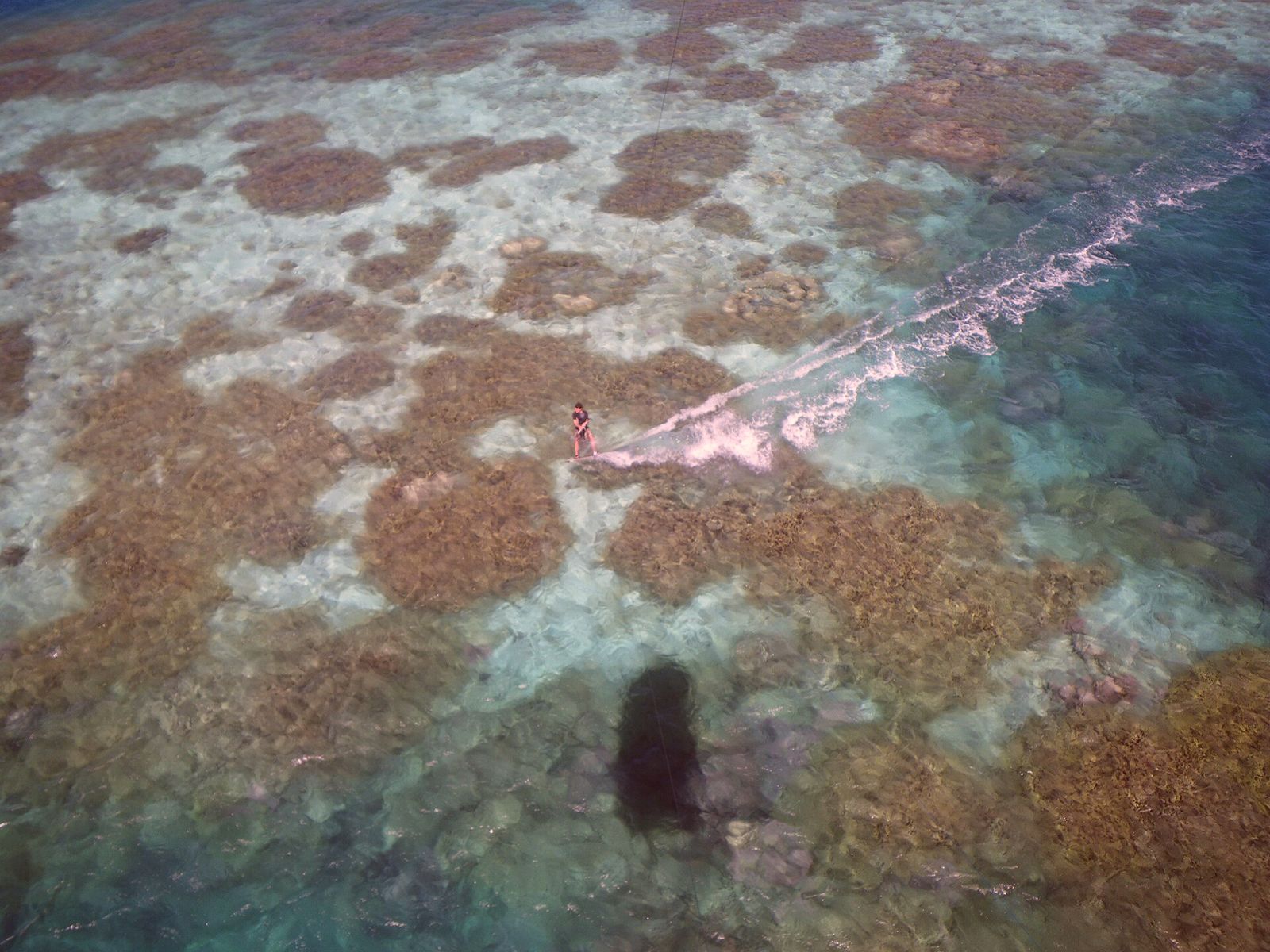
Researchers have mapped a stretch of rose coral measuring 1.56 kilometres (0.97 miles) from end to end off the Cocos (Keeling) Islands, placing it among the largest coral colonies ever recorded. To match its length, you would need roughly 100 buses parked nose to tail. The coral belongs to the genus Pachyseris.
It clings to the seaward slope of the reef, between 14 and 65 metres down (46 to 213 feet). Its average width is 36.5 metres (120 feet), which gives it an area of 56,940 square metres, or more than three MCG playing areas. Further sections carry on for another 200 to 300 metres beyond the main body.
Local dive operator Dieter Gerhard first noticed large patches of the coral more than 30 years ago. It was only when scientists began surveying the reef that the true scale emerged, along with the idea that the separate patches might be joined as one colossal colony.
Dr JP Hobbs of Adelaide University led the work, alongside colleagues from the Queensland Museum and James Cook University. He spent months on the survey, and on dives when his air ran out before he reached the far end, he used GPS to record how far he had got. Tracing the whole formation took 12 dives, which makes him a rather dogged sort of scientist.
A puzzle remains at the heart of the find. Nobody yet knows whether this is a single giant coral organism or several colonies that have fused together over time. The research team is using genetic testing to investigate.
Scientists from the Queensland Museum are part of that team. The discovery offers new insights into the coral communities found in Australia’s remote marine environments.
Why it matters
Corals are living animals, and the reefs they build provide shelter and food for a vast range of sea creatures. A colony of this size, noticed by a local diver decades before it was fully mapped, is a reminder of how much of the underwater world is still being charted. The genetic work now under way should help settle exactly what researchers have found.