2,800-year-old bone flute is first musical instrument found at Troy
Archaeologists in north-western Turkey have unearthed a bone flute from the eighth century BCE, the first direct physical evidence of music-making at the legendary ancient city.
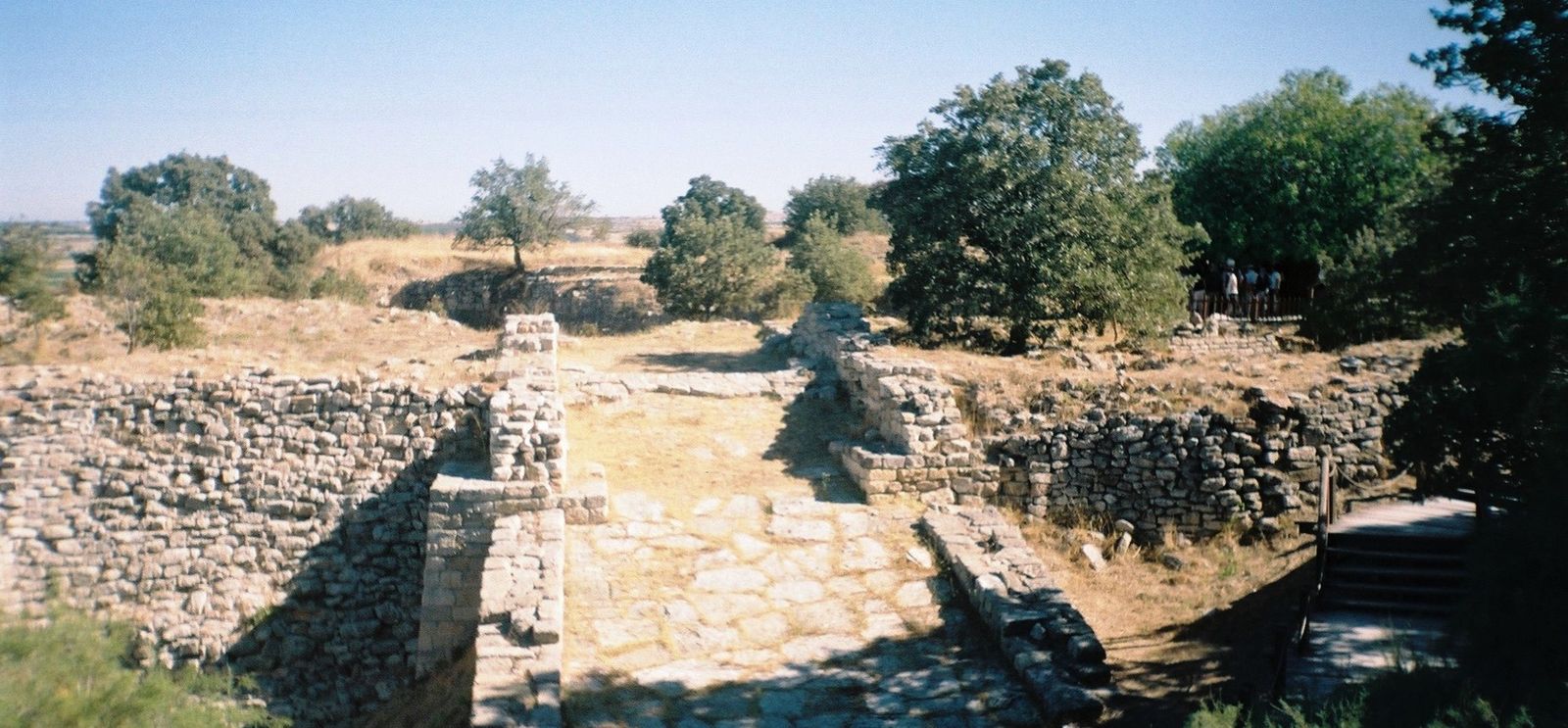
A bone flute roughly 2,800 years old has been unearthed at Troy, and it is the first musical instrument ever recovered there. Turkey’s culture and tourism minister, Mehmet Nuri Ersoy, announced the discovery on social media, describing it as the first direct archaeological proof of music in Trojan life.
The flute came to light during this year’s excavations, in a layer of the site dating to the eighth century BCE. That is about the time Homer is thought to have composed The Iliad and The Odyssey. It belongs to the Archaic Period, and in more than 160 years of digging at Troy, nothing else of its kind has turned up.
Ancient texts, along with finds from other parts of Anatolia, had already hinted that music mattered to the Trojans, both in religious ritual and in everyday social and public life. Until now, however, no physical trace of it had been found.
The discovery also sits neatly alongside a change in thinking. Scholars once believed Troy had been all but abandoned in this era, but more recent research has uncovered clear signs that people were living in the area.
Rüstem Aslan, who leads the excavation team, pointed to a curious bit of timing. Earlier this year, the composer Ludwig Göransson recorded the siren song for Christopher Nolan’s film of The Odyssey using a replica of the aulos, an ancient Greek wind instrument with two reeds. Aslan called the flute’s appearance in the same year “an interesting coincidence from the perspective of excavation history”.
The team made a second find that is a splendid addition to the season’s haul: the 4,500-year-old head of a figure in human form, probably used for religious or ritual purposes. It turned up beside the gateway of Troy II, an Early Bronze Age settlement that fire destroyed around 2300 BCE. Aslan noted that only three to five comparable objects have emerged during the history of the Troy excavations.
Why it matters
Until now, the Trojans’ musical life could only be pieced together from written sources and discoveries at other sites. A real instrument gives researchers something they can examine directly, rather than infer. It is also a reminder that Troy, first excavated in 1870, can still produce surprises after a century and a half of digging.