Amino acid helps last-resort antibiotic beat resistant bacteria in mice
Scientists in China found that adding the amino acid L-arginine to colistin overcame resistance in E. coli and improved survival in infected mice, though human testing lies ahead.
Scientists in China have found that an amino acid can make a last-resort antibiotic work again against resistant bacteria, at least in laboratory dishes and in mice. Adding L-arginine to colistin brought back the drug’s bite against bacteria carrying genes for colistin resistance.
The study appears in Microbiology Spectrum. It arrives at a time when antibiotic resistance is tied to millions of deaths around the world each year, and the World Health Organization cautions that resistant infections are becoming more common. Colistin is kept for cases where other treatments have failed, yet resistance to it is growing too.
The team worked with strains of E. coli carrying mcr-1, a gene that drives colistin resistance. Given separately, colistin and L-arginine did very little. Used together, they killed the bacteria swiftly and effectively.
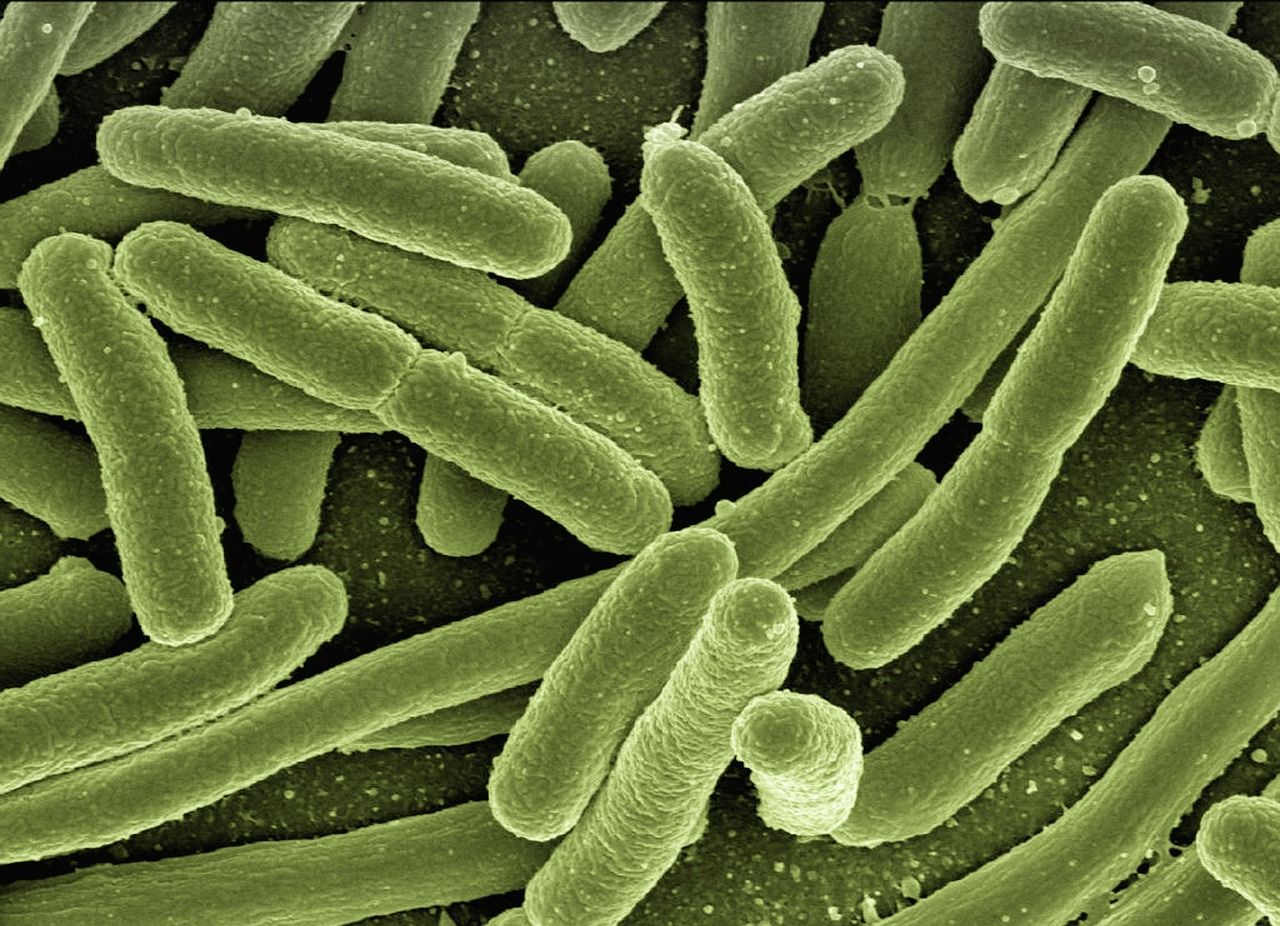
According to the researchers, the pairing alters the bacterial cell membrane so that colistin can get inside. Once it has, reactive oxygen species build up within the cell and destroy it. Images from scanning electron microscopes showed that treated bacteria had changed in size and structure, including at the membrane.
The mouse results were rather encouraging. The animals were infected with a colistin-resistant E. coli strain in the peritoneum, the thin tissue covering the internal organs. After 72 hours, 80% of those given both substances were alive, against 40% of those given colistin alone and none of those given L-arginine alone. Mice on the combination also cleared more bacteria from their major organs.
Colistin was first approved in 1959 but was widely avoided at first because of its toxicity and severe side effects. The arrival of superbugs in the 1990s brought it back into use as a final option.
Other teams have tried pairing the drug with nanomaterials or other medicines. Guo-Bao Tian, who led the work at Sun Yat-sen University, says amino acids have received less attention.
He is careful to point out that the approach needs more testing for safety and efficacy before it can be used to treat people. The bacteria used in the experiments may also not represent every strain that causes resistant infections. Even so, the team is optimistic and describes the combination as “readily translatable”.
Why it matters
When an antibiotic of last resort stops working, doctors have very little left to offer patients with serious infections. Finding a way to make an existing drug effective again could be a welcome boost in the fight against resistance. It is early days, but these results suggest a promising direction for protecting a vital medicine.