Colombian activist wins 2026 Goldman Prize for helping halt fracking pilots
Yuvelis Morales Blanco, 24, started by knocking on neighbours' doors in Puerto Wilches and has now won a major environmental award after two fracking trials were stopped.
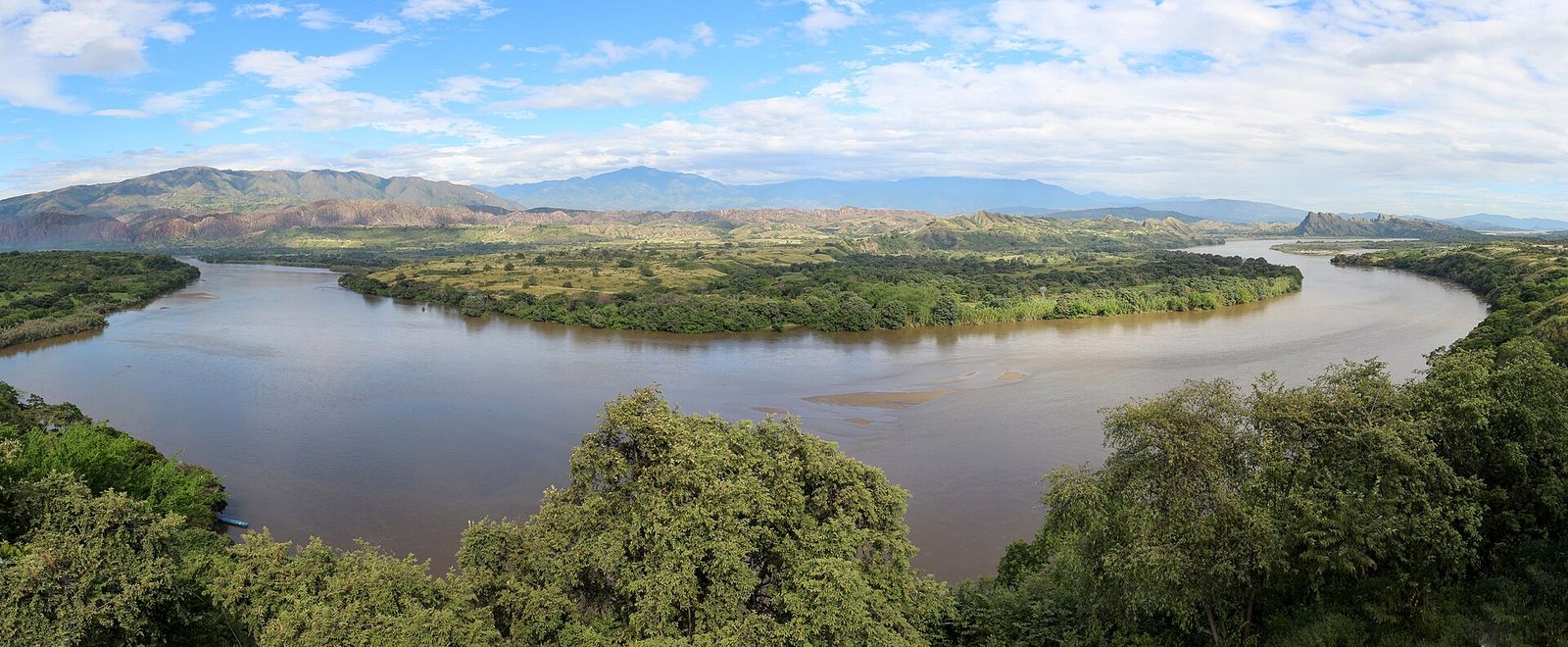
A university student who began her campaign by knocking on neighbours’ doors has won the 2026 Goldman Environmental Prize. Yuvelis Morales Blanco, now 24, was honoured for South and Central America, seven years after she first set out to keep fracking away from Colombia’s Magdalena River.
Her efforts helped bring two pilot fracking projects, Kalé and Platero, to a standstill. They also produced a Constitutional Court judgment in favour of her Afro-Colombian community’s right to be heard. To date, no fracking project has gone ahead anywhere in the country.
Morales Blanco grew up in Puerto Wilches, in a family of subsistence fishers. The river gives the town’s roughly 30,000 residents their food, their income and much of their identity. The area is also oil country, and people there know the risks: a leak at the Lizama 158 well in 2018 forced around 100 families from their homes, and fish died in their thousands.
When the government unveiled the pilots in 2019, she put her environmental engineering degree on hold to explain the dangers to neighbours. She joined the Colombia Free from Fracking Alliance and helped lead protests. In January 2022 she gave evidence at permit hearings and helped organise a peaceful sit-in.
Armed men turned up at her home soon afterwards, and she left Colombia. France granted her asylum in February 2022, and she carried on campaigning from there. Nobody has been convicted over the threats.
Back home, the legal tide began to turn. In April 2022 a court suspended the environmental permits for both pilots until local people had been consulted. By November that year, Ecopetrol had stopped the projects and pulled out of its deals with ExxonMobil.
The landmark judgment followed in August 2024. Colombia’s Constitutional Court ruled that the community should have been consulted, and its agreement won, before the pilots went forward. Morales Blanco has since returned to Puerto Wilches and continues her work with the alliance.
She is one of six winners this year, all of them women. For a campaign that began on doorsteps, it is a cracking result.
Why it matters
Fracking is thirsty work and carries a risk of polluting rivers and groundwater, so it is no surprise that communities who depend on a river want a say in whether it goes ahead. The court’s ruling writes that principle into law, and it sets a precedent well beyond Puerto Wilches. Her prize also shows that patient local action, without big budgets or public office, can shape national decisions.