Cut-price version of twice-yearly HIV prevention jab wins tentative US approval
A $40-a-year generic of lenacapavir, the twice-yearly HIV prevention injection, has been tentatively approved by US regulators, bringing it closer to people in 120 countries.
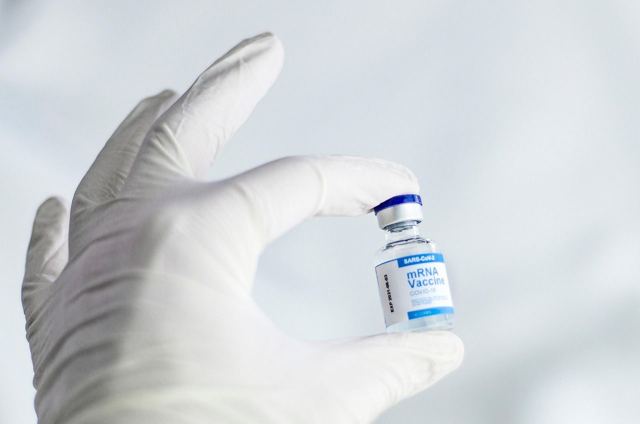
A cut-price version of lenacapavir, the HIV prevention injection needed only twice a year, has received tentative approval from the US Food and Drug Administration. The decision takes the drug a step nearer to people in low-income countries. Dr. Reddy’s Laboratories, the Indian company making the generic, and the global health initiative Unitaid shared the news on Monday.
Under a deal unveiled in September 2025, the generic will be sold for $40 per person per year across 120 countries. The arrangement brings together Unitaid, Wits RHI (an African health research institute), the Clinton Health Access Initiative and Dr. Reddy’s. By contrast, the original version costs roughly $28,000 a year in the United States, although insurance reduces what patients themselves pay.
The American firm Gilead Sciences developed lenacapavir, and regulators cleared it in June 2025 after large clinical trials found it more than 99.9% effective. Late in 2024, Gilead gave voluntary licences to six generic makers, Dr. Reddy’s among them. The tentative approval used an accelerated route that lets applicants rely on existing data.
Carmen Perez-Casas, who leads HIV and pandemic preparedness strategy at Unitaid, was clearly delighted. “This is an extraordinary milestone for global health,” she said. Poorer countries have often waited ten years or more for breakthrough medicines that are already available elsewhere, she noted, but with lenacapavir that wait has shrunk to little more than a year, which is no mean feat.
Gilead’s own version is already making a difference. According to Unitaid, more than 125,000 people have started taking it in ten African countries that adopted it early. Unitaid is now working with governments and partners on rollouts led by the countries themselves, with communities playing a central role.
Why it matters
Daily HIV prevention pills, first approved in the US in 2012, only protect people who take them consistently, so an injection needed twice a year can be a more practical option. Cost has been the great obstacle, and a price comparable to that of daily pills removes much of it. HIV has killed more than 40 million people over four decades, and Unitaid estimates that 1.2 million people acquired it last year. Approval is only the first step, as Perez-Casas stressed: the real work lies in getting the injection to those who need it most.