High-dose flu vaccine linked to lower Alzheimer's risk in over-65s
A study of nearly 200,000 older adults found those given the high-dose flu vaccine had a nearly 55% lower Alzheimer's risk, against 40% for the standard dose.
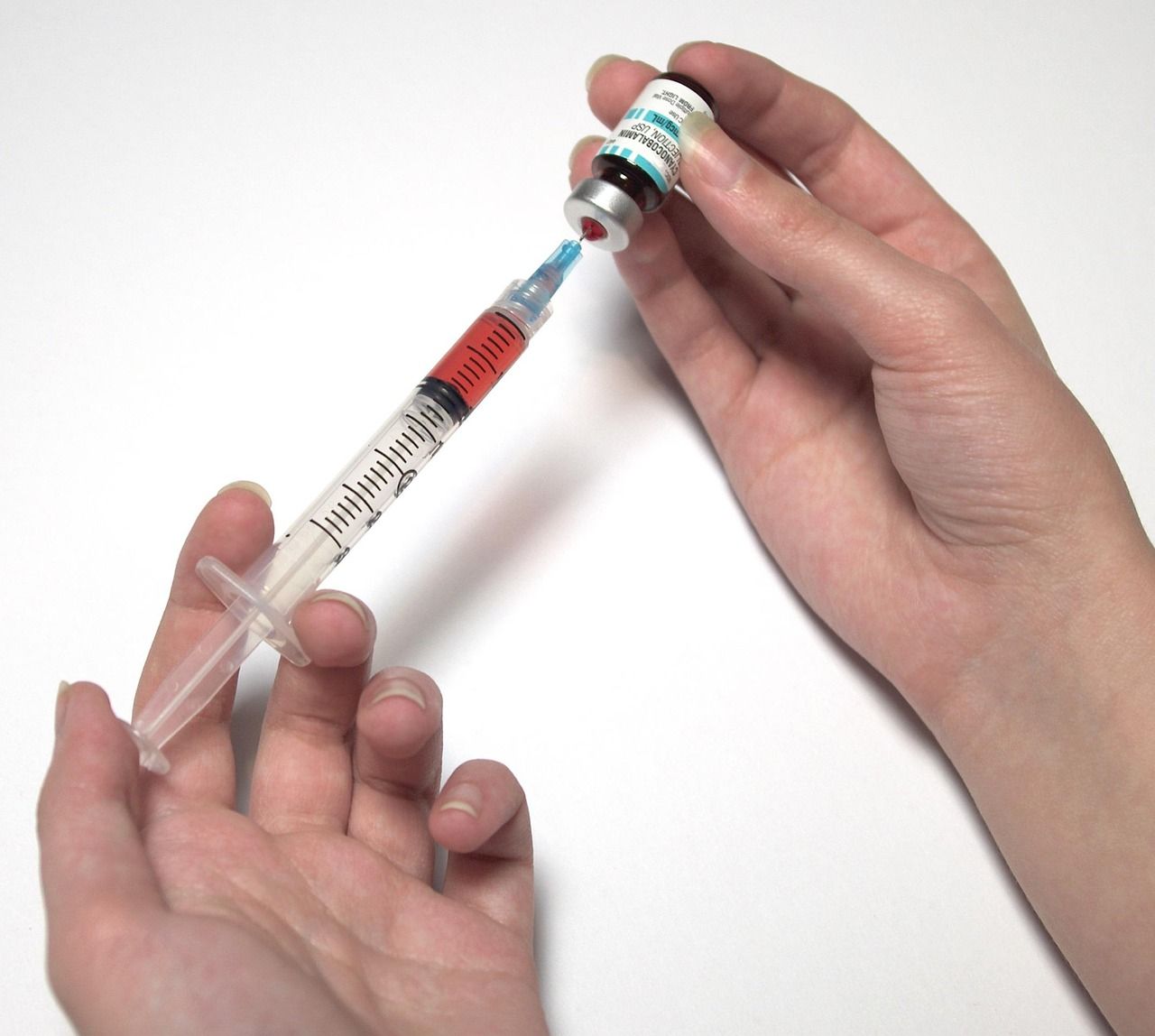
Older adults who had the high-dose flu vaccine were less likely to develop Alzheimer’s disease than those given the standard-dose jab, according to a large new study from UTHealth Houston. The findings were published in the journal Neurology.
The team analysed data from nearly 200,000 men and women aged 65 and over. Standard-dose vaccination was associated with a 40% lower risk of Alzheimer’s, while the high-dose version was linked to a reduction of nearly 55%. The difference looked particularly marked among women.
The idea began with an invitation. Public health officials had seen an earlier study by neurologist Paul Schulz and his colleagues, which had linked flu vaccination to a lower risk of Alzheimer’s in people aged 65 and over. They asked him to come and talk it through, and then asked whether the dose made any difference.
Dr Schulz, a professor of neurology at McGovern Medical School, admitted he was stunned to discover that a higher dose existed at all. It contains four times as much influenza antigen as the standard shot and is designed to prompt a stronger immune response in older people, whose defences tend to weaken with age. The US Centres for Disease Control and Prevention recommends it as a preferred option for those aged 65 and above.
The comparison was possible because demand for the high-dose vaccine sometimes outstrips supply, so some older Americans end up with the standard version instead. That gave the researchers two groups to compare.
There is an important caveat. The study shows an association, not cause and effect, and the authors say more research is needed to establish whether the high-dose vaccine directly lowers Alzheimer’s risk and, if so, how.
Why it matters
Alzheimer’s is the leading cause of dementia, and in 2025 more than 7 million Americans aged 65 and over were living with it, a figure expected to more than double by 2050. Any practical way of lowering that risk would be a welcome boost, and a vaccine already in wide use is an appealing place to look. For now, the work is a rather promising pointer for future research rather than a reason to change advice, but it suggests that vaccine dose deserves a place in studies of how the immune system and Alzheimer’s are connected.