New early warning system will help A&Es in England spot deteriorating children
Emergency departments in England are introducing a national scoring system to help staff recognise quickly when a seriously ill child is getting worse, ahead of the winter rush.
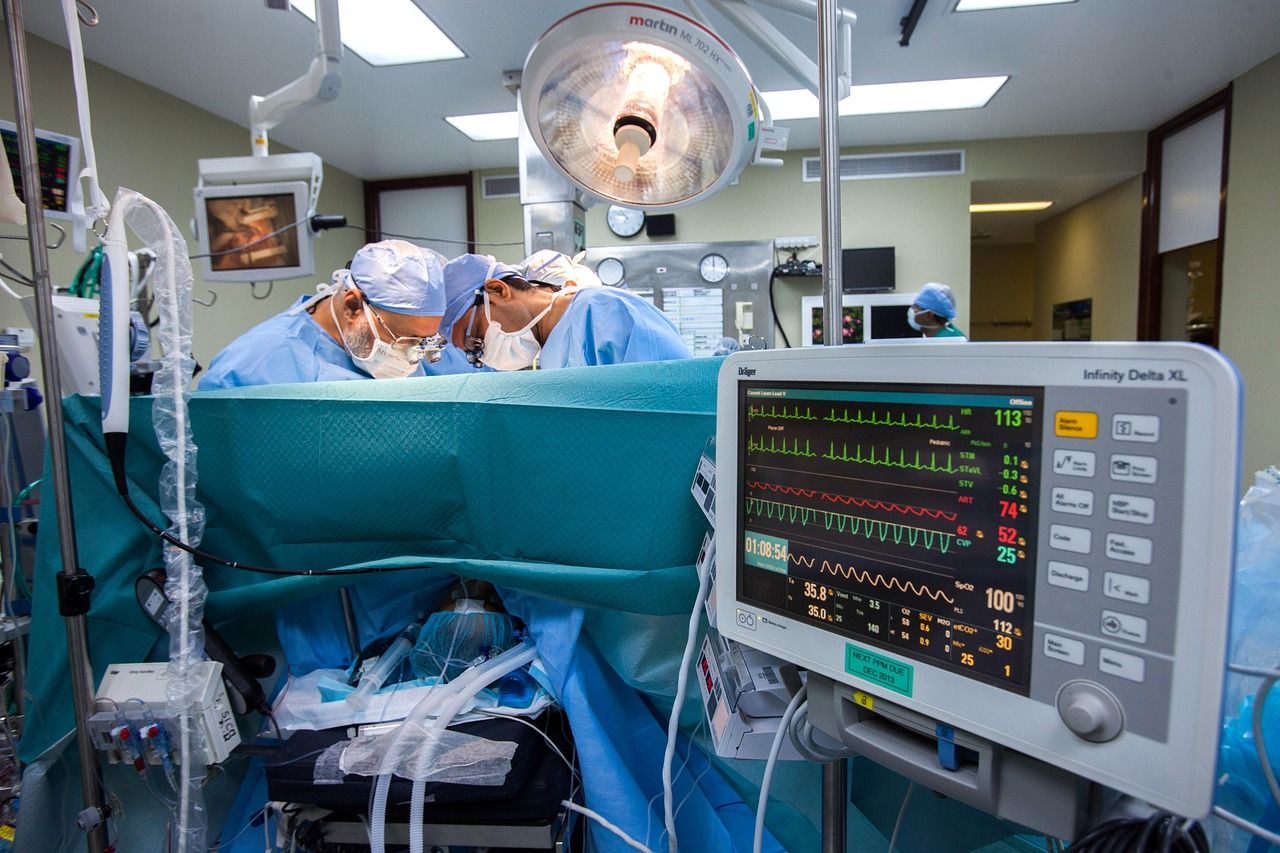
Hospital emergency departments in England are rolling out a national early warning system to help staff spot sick children whose condition is worsening fast. The National Paediatric Early Warning System, known as PEWS, arrives ahead of winter, when the NHS is under its heaviest pressure.
Under the scheme, staff check, record and grade a child’s vital signs, including blood pressure, heart rate and oxygen levels. The higher the overall score, the more urgently the child needs attention.
Worries raised by staff, parents, carers or the young patient will also trigger an immediate escalation of care, whatever the numbers say.
The move follows a pledge by Health Secretary Yvette Cooper to end “corridor care” for sick children, which has been linked to long waits for hospital beds.
It builds on work already under way. A similar system for acutely ill adults, including those with sepsis, is in use in emergency departments and general wards. More than 90 hospitals in England have also been using the alert system on children’s wards, with age-appropriate assessments for everyone from babies to teenagers.
The NHS has separately said it will extend Martha’s Rule to every emergency department in England. The rule lets patients and families request a rapid review if they fear a patient is deteriorating and nobody is listening. A&E units will have a dedicated phone number to set off an urgent review.
The rule honours Martha Mills, who was 13 when she died in 2021 after developing sepsis in hospital following a bike accident. A coroner found that her family’s concerns had not been heeded and that she would probably have survived had she reached intensive care sooner.
Duncan Burton, chief nursing officer for England, said a standardised approach would help staff recognise warning signs and make decisions “when every moment matters”. The system was developed jointly by NHS England, the Royal College of Nursing and the paediatricians’ professional body, the Royal College of Paediatrics and Child Health.
Why it matters
Children can deteriorate quickly, and in a crowded emergency department the signs are easy to miss. A single, shared way of scoring vital signs, with a clear route for families to raise concerns, gives busy staff a common language and a safety net. Backed by leading professional bodies, it is rather good news and a welcome step towards catching serious illness earlier.