New South Wales votes to create 475,000-hectare Great Koala National Park
After more than a decade of campaigning, state lawmakers have approved a vast protected area on the Mid North Coast, though its carbon-credit funding model has divided conservationists.
Lawmakers in New South Wales have voted to establish the Great Koala National Park, bringing to a close a campaign by conservation and community groups that ran for more than ten years. The vote took place on 23 October, ten days after Premier Chris Minns introduced the bill. The park was a key 2023 election pledge from the state’s Labor government.
The park is expected to open before the end of 2026. About 178,000 hectares of state forest and other public land, much of it previously set aside for native timber harvesting, will be added to the existing network of national parks. Together, they will form a protected area of 475,000 hectares on the Mid North Coast.
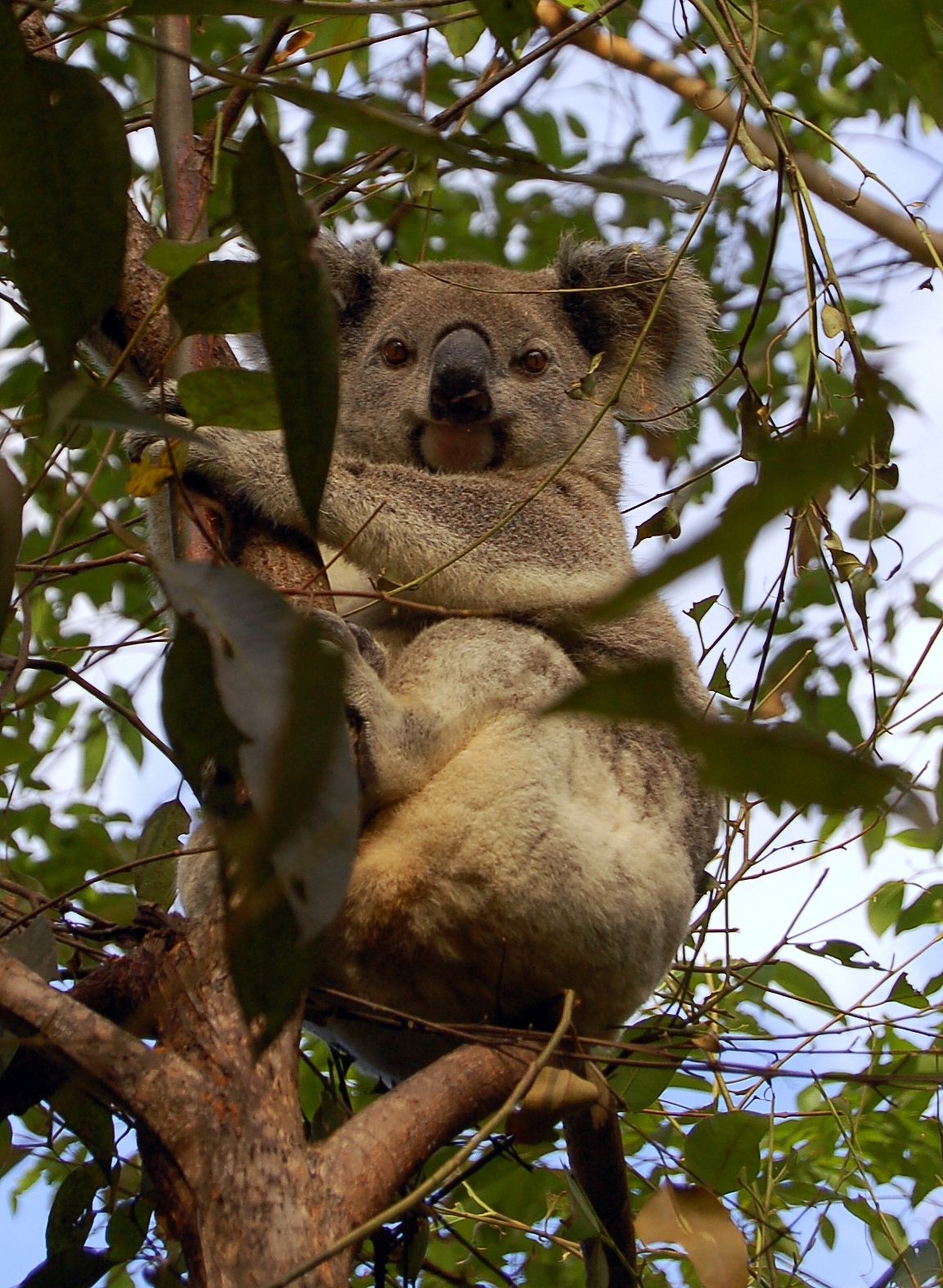
Around 12,000 koalas live within that area, along with more than 100 other threatened animal and plant species. Among them are southern greater gliders, glossy black cockatoos and rare spider orchids.
The Gumbaynggirr and Dunghutti peoples helped shape the plans and will keep a guiding role in running the park, according to the state government. It says eight Aboriginal ranger jobs will be created through community-controlled organisations, and further positions will be earmarked for Aboriginal people.
Koalas were listed as endangered in the state in 2022. Their numbers dropped by a third between 1990 and 2010, with habitat loss, disease and climate stress all playing a part. The 2019-2020 bushfires are estimated to have killed 71% of the remaining koalas on the northern coast. A parliamentary inquiry in 2020 warned that the animal, now numbering around 274,000 in the state, could be gone by 2050.
Not every conservationist is content with how the park will be paid for. The government has put AU$140 million towards setting it up, but long-term costs will largely be met by selling carbon credits generated by ending native forest logging. Critics argue that nature protection should not hinge on a commercial offsetting scheme, and several attempts to amend it failed in parliament. Others accepted it as a practical route out of logging.
There are also worries about regional parks inside the boundary, which are less strictly protected and can host activities such as motorsport. A late amendment removed five of around ten such parks from the motorsport provision.
Campaigners say the work is not finished. The next task is drawing up a management plan, and some groups want Pine Creek and Tuckers Nob State Forests, currently left out, to be included.
Why it matters
Habitat loss is one of the pressures that pushed koalas onto the endangered list, and this law moves forest once earmarked for timber into the protected estate. The park has yet to open, and the argument over carbon credits shows that how conservation is funded remains contested. Even so, determined campaigners have secured a legal footing for protecting a large area of koala habitat.