Third person receives wireless brain implant in artificial vision study
Surgeons at Rush University Medical Center have fitted a third volunteer with an experimental wireless implant that aims to give some sight to people who are totally blind.
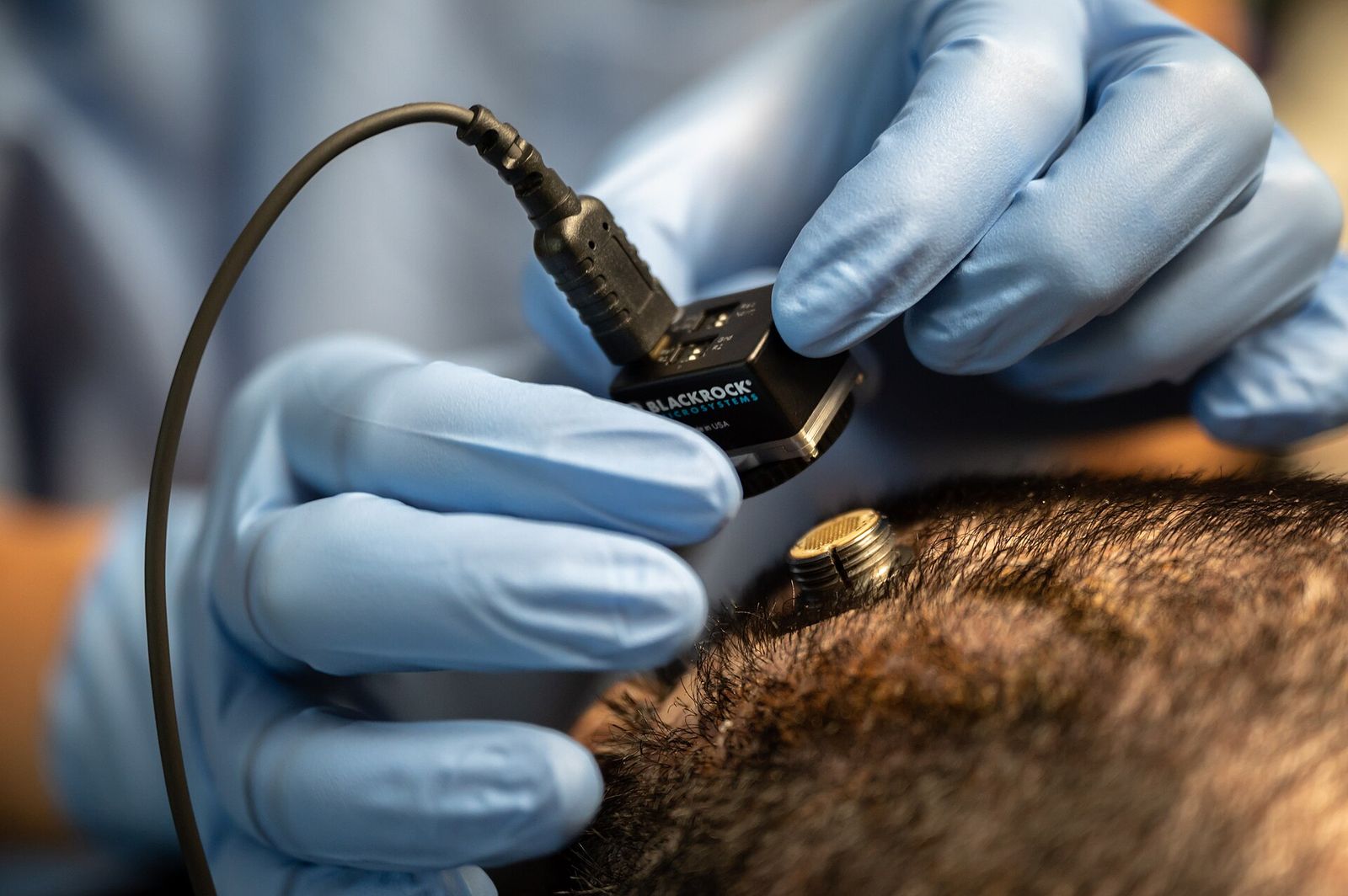
A third volunteer has been given an experimental brain implant intended to create a form of artificial vision for people with total blindness. The operation took place at Rush University Medical Center and, according to the team, went successfully.
The device is known as the intracortical visual prosthesis, or ICVP. It is wireless, and it sidesteps the retina and the optic nerves altogether, linking straight to the part of the brain that processes sight. That makes it a possible option for people who lost their vision through eye disease or injury.
In this latest operation, 34 stimulators carrying 544 electrodes in total were placed. Sepehr Sani, the Rush neurosurgeon who carried out the procedure, described the outcome as an important step towards a meaningful choice for patients with profound vision loss.
Philip R. Troyk of the Illinois Institute of Technology leads the project, which draws on nearly three decades of effort. The ICVP is the first design in which a set of tiny wireless stimulators stays implanted in its entirety. Because the implant is permanent, researchers have ample time to see how well it works, and recipients can learn how to make use of it.
The study has now reached its clinical phase. Its aim is to find out whether the prosthesis helps participants get around more easily and manage simple tasks guided by sight. Troyk said the team was “forging new pathways to enhance lives”, and added that the same interface could have uses for other neural conditions, including those of the spinal cord.
Eight organisations are working together on the project, among them the University of Texas at Dallas and the University of Chicago. The team is still looking for volunteers who lost their sight as adults, provided their eyesight was normal, or close to it, through at least their first ten years. After roughly a month of recovery from surgery, each participant will be followed for between one and three years.
Why it matters
Total blindness can limit independence and confidence, and options are few for people whose eyes or optic nerves can no longer pass images to the brain. Connecting directly to the visual cortex is one way round that obstacle. This remains early-stage research with a small number of participants, so it is too soon to say how much useful vision it will provide, but a third successful implantation is rather encouraging evidence that the approach can be repeated.