Varied crops and year-round ground cover help Brazilian farms ride out drought and flood
Researchers in southern Brazil found that rotating crops and keeping soil under living plants gave higher, steadier harvests through three seasons of punishing droughts and floods.
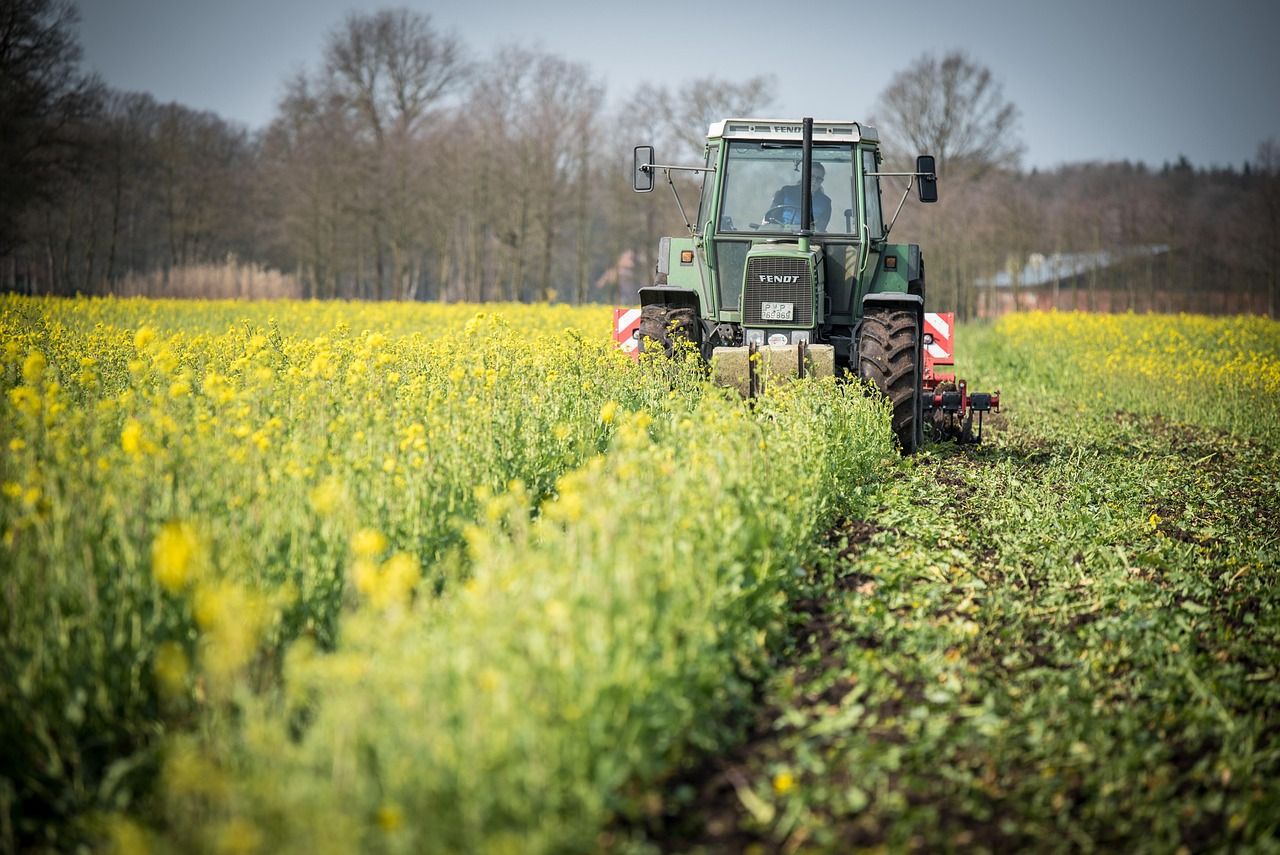
Farms in southern Brazil that mixed up their crop rotations and kept the ground covered with living plants all year produced bigger and more dependable harvests than farms using simpler methods, even when drought and flood struck in turn.
The finding comes from a University of São Paulo team, which analysed 13 experiments run by farmers on commercial land across Rio Grande do Sul. The work spanned three growing seasons between 2022 and 2025.
The weather was anything but kind. Two of the seasons brought severe drought, with rainfall as much as 54% below normal, while the 2023/2024 season was drenched, with 40% more rain than average. Since every farm faced the same conditions at the same time, the researchers could be confident that differences in yield came down to how the land was managed.
Farms that diversified their crops and grew “cover crops”, which are plants raised to shield and feed the soil between harvests, reached yields up to 76% above the state average. Their results also held much steadier from one year to the next. Farms growing one grain after another, or relying on a single cover species, managed just 8% above average, and their yields lurched up or down by 33% to 39% a year.
The team also took 78 soil samples and measured 12 characteristics covering chemistry, physical structure and biological activity. Greater plant diversity clearly improved the soil’s ability to hold water, whether it was sandy or clayey. Professor Mauricio Roberto Cherubin explained that the deep roots of cover crops push through compacted layers and leave natural tunnels behind. Later crops such as soybeans or corn can follow those channels down to moisture stored deeper in the ground when the weather turns dry.
The researchers were frank about the limits. During the 2024 floods, 44% of the farmers using diversified systems had to rethink their plans. With fields waterlogged and harvests delayed, they gave up on cover crops and sowed commercial wheat to recover losses quickly.
The results were published on 22 October in the journal Agriculture, Ecosystems & Environment. The study grew out of Viviana Meneghini’s master’s thesis, supervised by Cherubin.
Why it matters
Rio Grande do Sul accounts for a meaningful share of Brazil’s grain, and farms that depend on rainfall alone are increasingly exposed to droughts and storms. This research suggests that living, biologically active soil can act as a natural shock absorber, sparing farmers the cycle of a bumper harvest followed by heavy losses. That is a cracking result for livelihoods, and it shows that working with the soil can be a practical form of climate protection.